In a major boost to Kenya’s infrastructure ambitions, Japan has committed approximately KSh 85 billion toward the construction of the Mombasa Gate Bridge, a transformative mega-project expected to redefine transport and economic activity along Kenya’s coast region.
This project follows years of delays linked to land acquisition, road designs and alignments as well as compensation and environmental impact requirements.
On Tuesday, June 30, 2026, The Government of Japan confirmed that construction of the KSh 85 billion Mombasa Gate Bridge is set to begin, financed under Japan’s Official Development Assistance programme, according to Chargé d’Affaires ad interim Hori Tomonobu.
We have supported Kenya in the construction of key projects such as the Mombasa Southern Bypass, Nyali Bridge, and Kilifi Bridge. We are also planning future projects, including the construction of the Mombasa Gate Bridge ~ Tomonobu said.
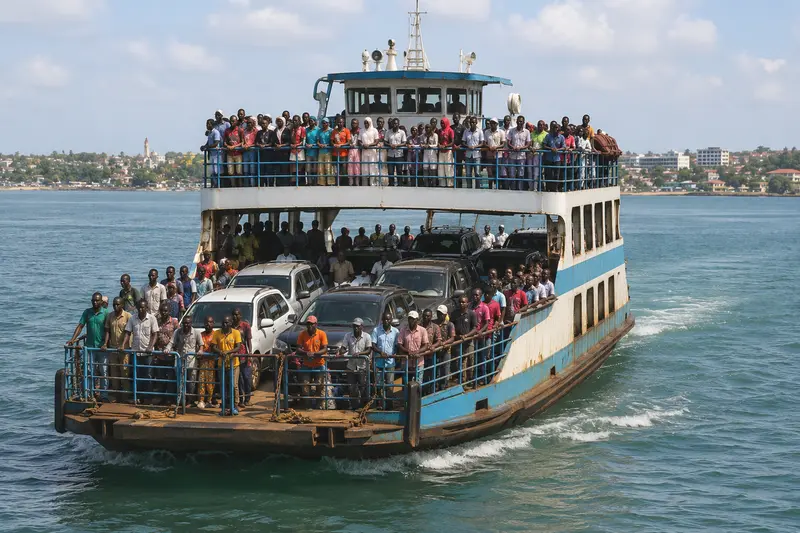
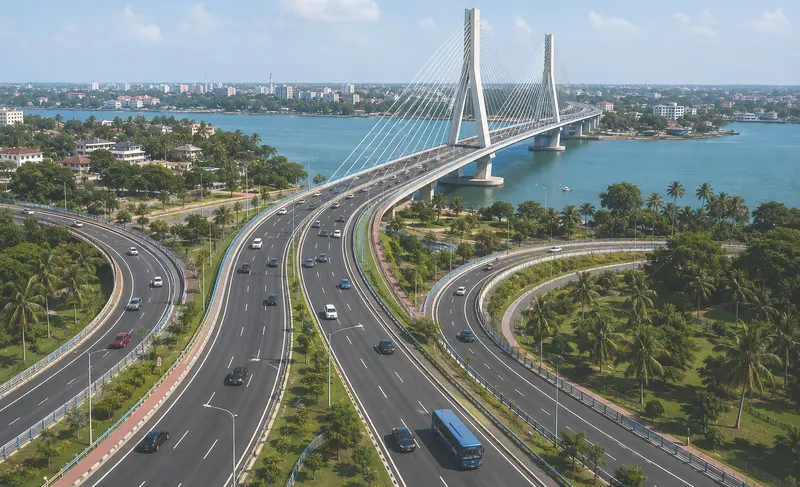
The cable-stayed bridge will span approximately 1.4 kilometres across the Likoni Channel, with the full project covering around 13 kilometres including approach roads and interchanges, providing a permanent four-lane road link between Mombasa Island and the South Coast as an alternative to the Likoni Ferry.
The bridge, designed to span the strategic Likoni channel in Mombasa, is set to become one of East Africa’s most significant transport investments. For decades, movement between Mombasa Island and the South Coast has heavily depended on the Likoni Ferry, a vital but often congested transport link serving thousands of commuters daily. The new Mombasa Gate Bridge seeks to solve this longstanding bottleneck.
Mombasa Gate Bridge project
Japan’s financing reflects the deepening bilateral ties between Kenya and Japan, particularly in infrastructure development. Through the Japan International Cooperation Agency, Japan has consistently supported Kenya’s transport modernization agenda, including road expansions, port improvements, and energy projects.
The Mombasa Gate Bridge is expected to stretch approximately 1.4 km, creating a direct road connection between Mombasa Island and the mainland South. This will significantly reduce travel times, improve logistics efficiency, and enhance access to key tourism destinations such as Diani.
According to infrastructure analysts, the bridge will not only ease congestion but also improve emergency response times and lower transport costs for businesses operating in the region.
Economic impact on the Coast region
The economic implications and benefits of the bridge in the region are substantial.
Mombasa city serves as the gateway to East and Central Africa through the Port of Mombasa, one of the busiest ports on the continent. The improved connectivity around the port area is expected to strengthen supply chains and reduce delays in cargo movement.
For tourism, easier access to the South Coast could stimulate investment in hotels, resorts, and real estate. Areas such as Diani, Ukunda, and Msambweni may experience increased economic activity as transportation becomes faster and more reliable.
The local businesses are also likely to benefit from expanded customer reach and improved movement of goods and services.
Social and urban transformation
Beyond economics, the bridge will have a profound social impacts in Mombasa including its neighboring towns and counties such Kilifi and Kwale.
Daily commuters who currently endure long ferry queues may soon have a more predictable and efficient alternative. This would improve productivity, reduce commuting stress, and increase mobility for workers and students.
Urban planners also view the bridge as a catalyst for spatial expansion, potentially decongesting Mombasa Island by encouraging growth in surrounding mainland areas.
Challenges ahead
Despite its promise, the project will face challenges including land acquisition, environmental considerations, and ensuring that marine transport remains unaffected during construction.
Stakeholders will need to carefully balance infrastructure development with environmental conservation, particularly given the ecological sensitivity of the coastal waters.
A Symbol of progress
The Mombasa Gate Bridge represents more than concrete and steel—it symbolizes Kenya’s broader vision for modern infrastructure, regional competitiveness, and sustainable urban growth.
With Japan’s support, the project signals confidence in Kenya’s economic future and underscores Mombasa’s role as a critical gateway for trade, tourism, and regional integration.
Once completed, the bridge is expected to stand as a landmark of engineering and international cooperation, reshaping the future of coastal transport for generations to come.
E-mail: [email protected] | Phone/WhatsApp: +254 719 672 296 | Blog website: https://orbital.co.ke/blog/
Ad: Explore the world with Expedia

Flewflew: AI solutions provider in Africa

OrbiCollect: Mobile mapping made easier!

NSE Stock Market: Buy & Sell Shares
